Beating the weather in Turangi: sealing successfully through shoulder seasons with Weather Barrier
16 June 2024
Turangi, located on the southern edge of the Waikato region, experiences some of the most demanding weather conditions road crews face in the central North Island. High altitude, wide temperature swings, and frequent moisture mean road sealing here is anything but routine. Blisteringly hot summer days can be followed by near‑freezing nights, placing pressure on both materials and methods.
These environmental factors dramatically shorten the viable sealing window. In Turangi, surface sealing is typically limited to just a few summer months - from December through February - leaving little room for programme delays or weather disruption. When works extend into the shoulder season, the risks increase considerably.
The challenge: sealing in cold, moisture‑prone conditions
Traditional chip sealing relies on a strong early bond between the binder and aggregate. However, in colder regions like Turangi, achieving that bond is difficult. Low pavement temperatures slow curing, while any residual moisture or rainfall can weaken the adhesion between chip and bitumen.
Emulsions help mitigate this risk by coating the chip in a bitumen emulsion, improving initial adhesion once cured. But curing time remains highly sensitive to conditions. Heavy application rates, night works, low temperatures, or unexpected moisture can all delay curing - increasing the likelihood of chip loss or stripping when traffic is introduced too soon.
In shoulder‑season conditions, the margin for error is slim.
When timing can’t be pushed back
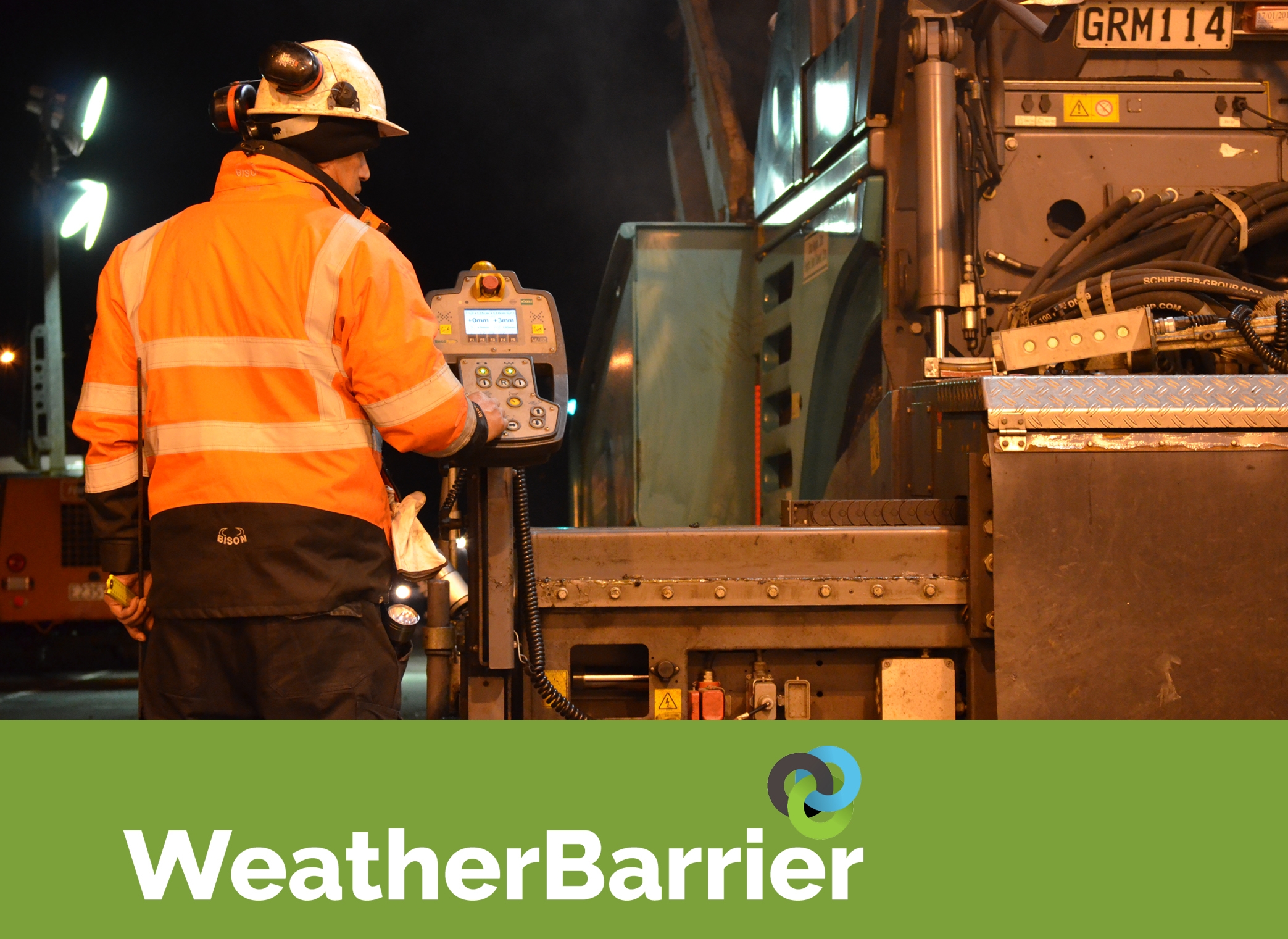
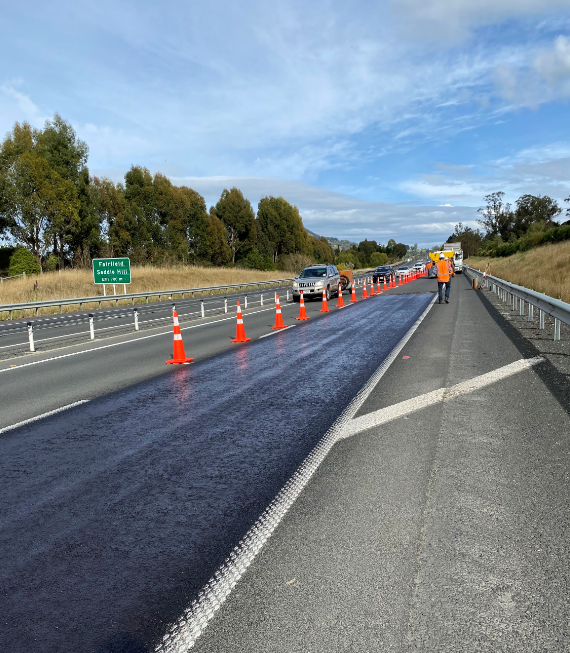
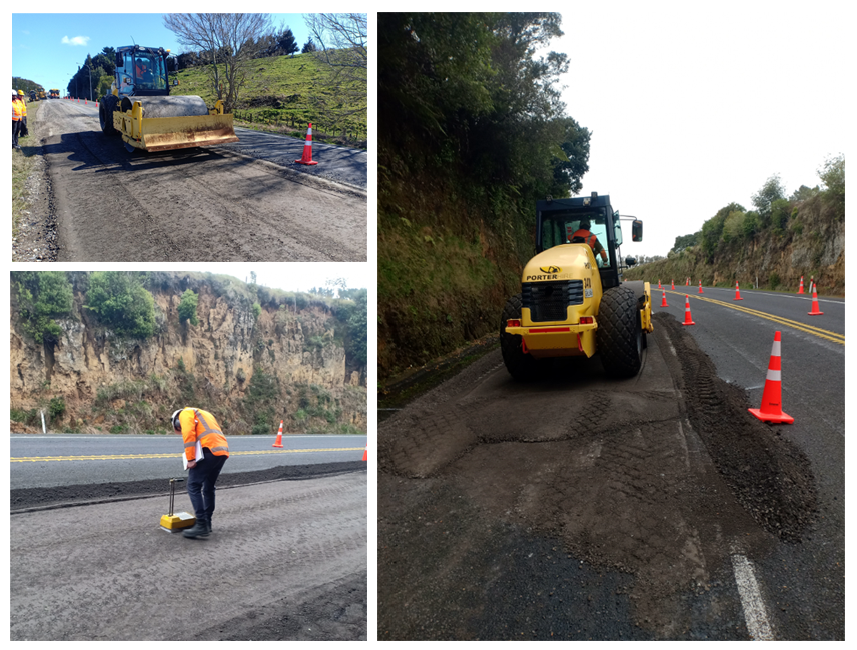
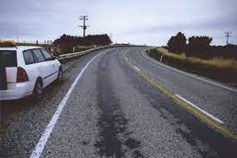
In mid‑April 2023, Road Science was engaged to reseal four sites in the Turangi area. The works could not be delayed any further, despite falling outside the ideal sealing window. Cooler temperatures and higher moisture levels meant the risk profile was already elevated.
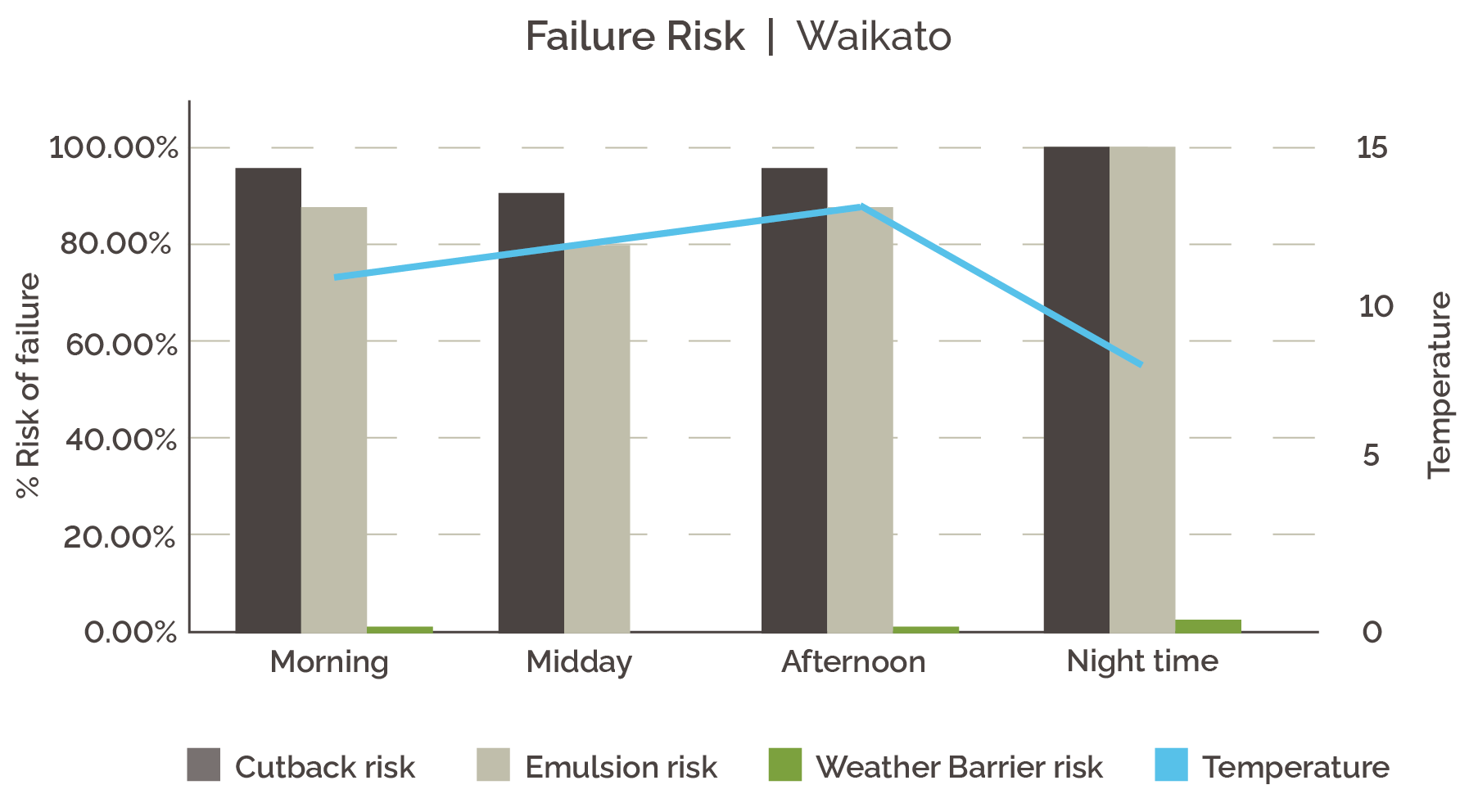
Based on regional conditions, Road Science assessed the estimated risk of stripping across the sites at over 80% using traditional approaches alone. With postponement not an option, a more resilient solution was needed.
Building resilience into the seal with Weather Barrier
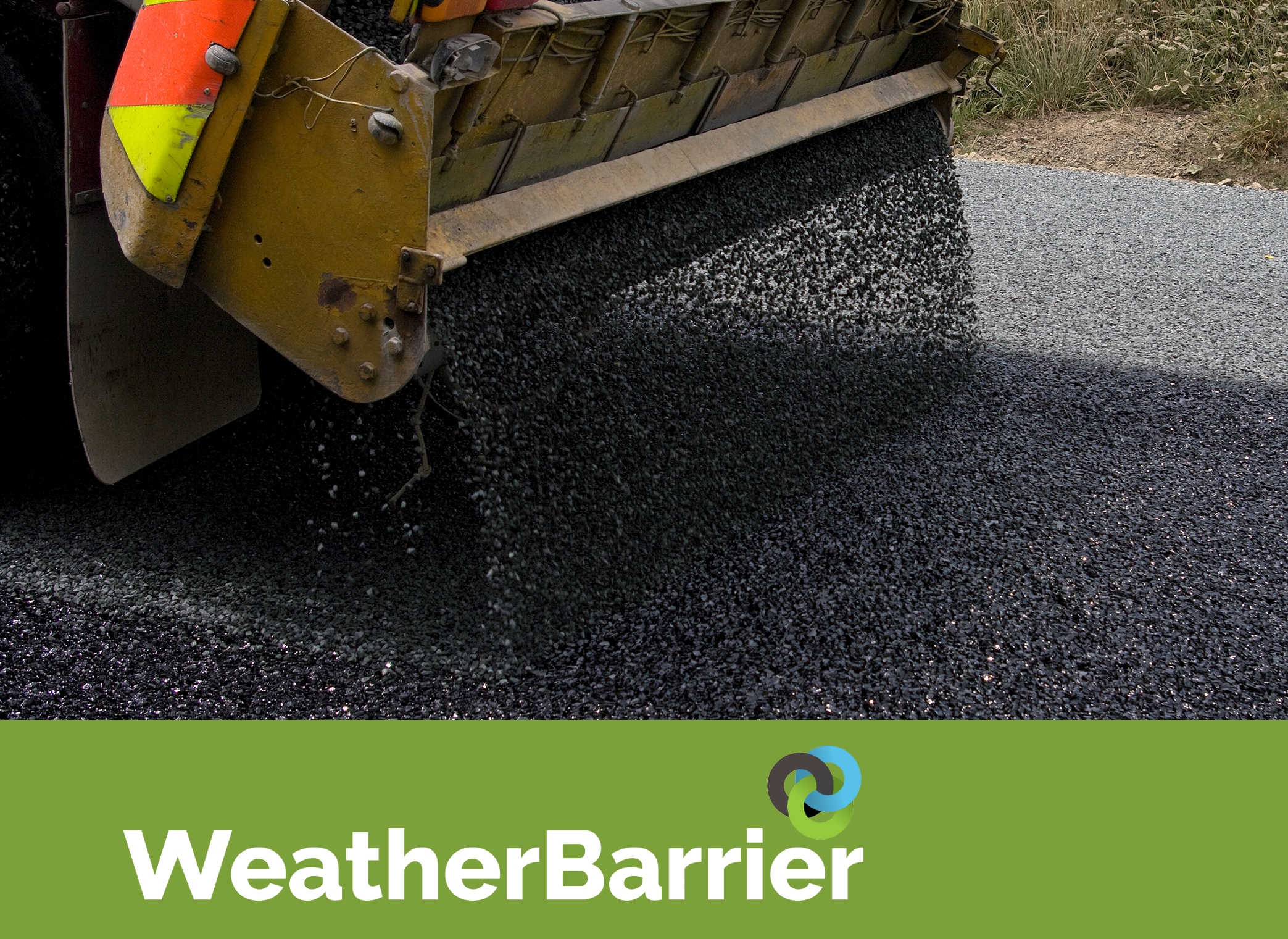
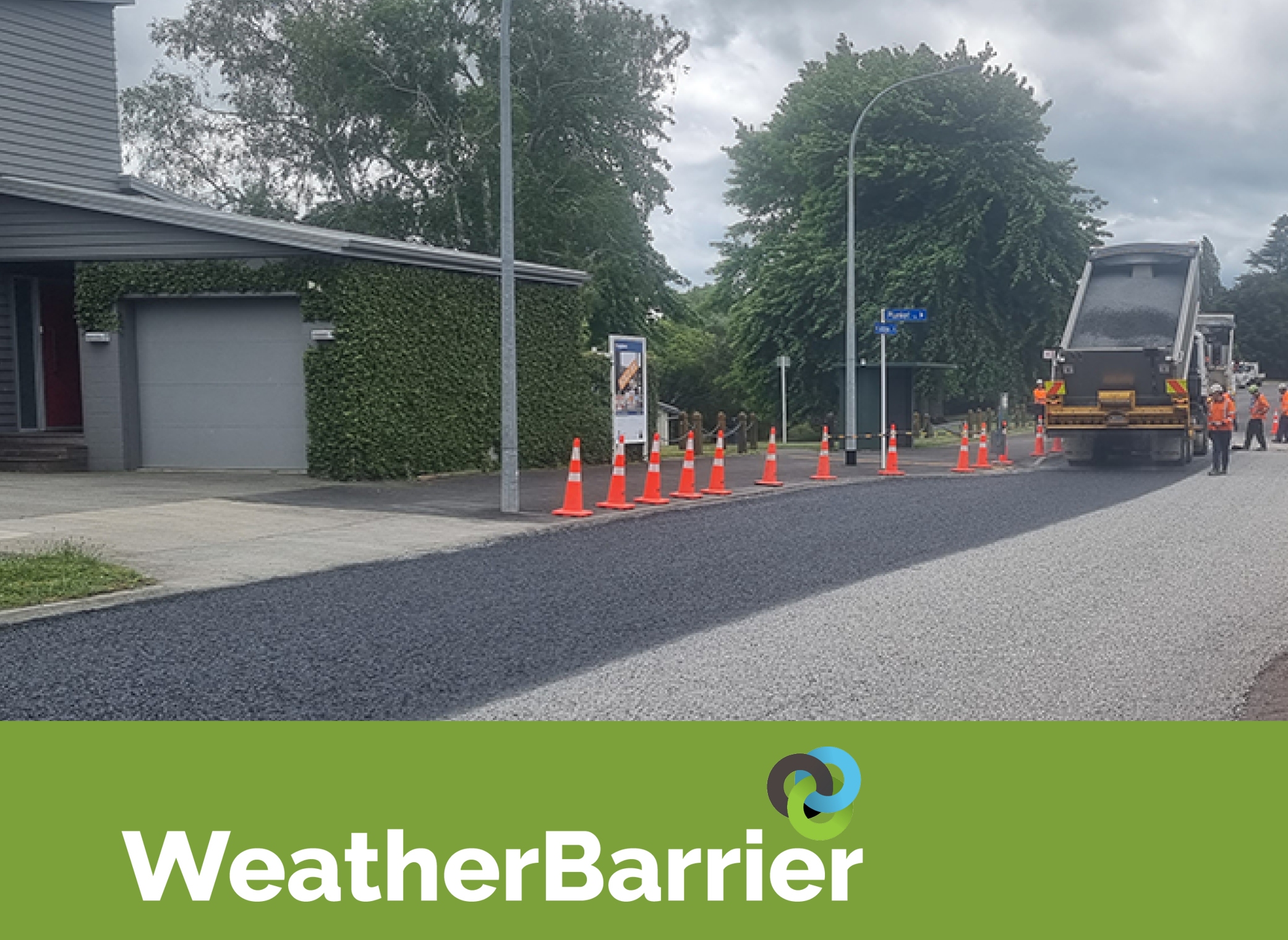
To manage the increased risk, Weather Barrier was incorporated into the sealing membrane on two of the four sites as part of a comparative trial. The remaining two sites proceeded without Weather Barrier, providing a clear point of reference.
Weather Barrier acts as an additional protective layer within the seal, helping manage moisture intrusion and improving early‑life resilience while curing takes place - particularly valuable when temperatures are low and curing is slow.
With Weather Barrier in place, the assessed risk of stripping on the treated sites dropped dramatically, from over 80% to less than 10%.
The results: a clear contrast
In the weeks following resealing, the difference between the sites was evident.
- Sites without Weather Barrier experienced significant stripping and loss of surface integrity
- Sites treated with Weather Barrier showed no signs of stripping or chip loss
This stark contrast reinforced the role of proactive weather mitigation when sealing outside peak summer conditions.
Sealing smarter through shoulder seasons
The Turangi project demonstrates that when traditional sealing methods are pushed to their limits by climate and timing, building resilience into the seal itself becomes critical. Weather Barrier allowed sealing works to proceed safely and successfully, even when conditions were less than ideal.
For regions with short construction seasons, high altitude, or volatile weather patterns, Weather Barrier provides crews with confidence to deliver durable outcomes without compromising road performance or safety.
As shoulder‑season works become increasingly common, planning for weather uncertainty - rather than reacting to it - is key to keeping roads intact and communities moving.