UltraMender - Porirua success story
30 April 2020

BACKGROUND
Let us take you on the journey of a small, localised defect on a road…
It all starts with a small crack, water gets in, maybe a pothole forms, more water starts getting in, you try to fix it with cold mix or hot mix (if you are lucky enough to be close to an asphalt plant), but that doesn’t work so you try again, and maybe one more time hoping it may hold. Eventually your small crack starts to look like this...
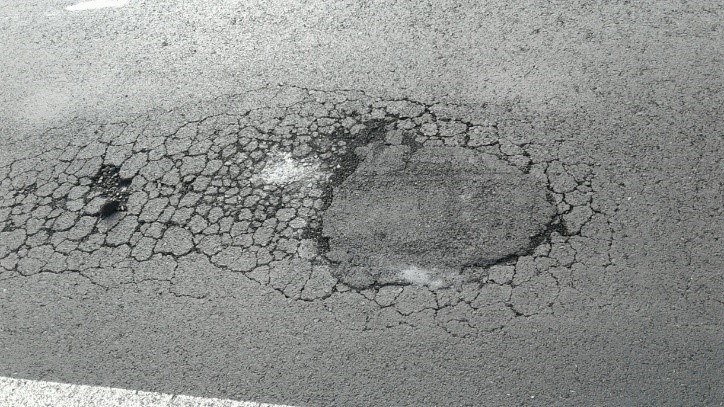
So, you elevate it to a mill and fill where you mill out the top surface and replace it with a new (more) waterproof surfacing, surely that will fix it right? Sometimes it does, but often, the instabilities underneath the surfacing can’t be bridged with the same material that didn’t work before and the cracking starts to reflect through again...
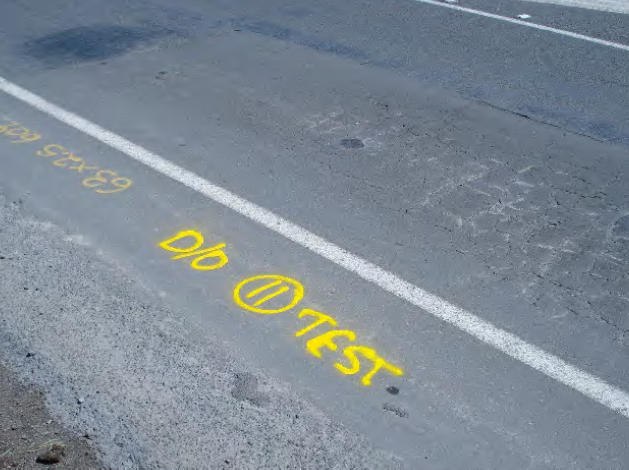
What’s left to do but dig it all out and start again. All of this cost is incurred because, despite our best efforts with the materials available, we couldn’t waterproof and repair a measly crack.
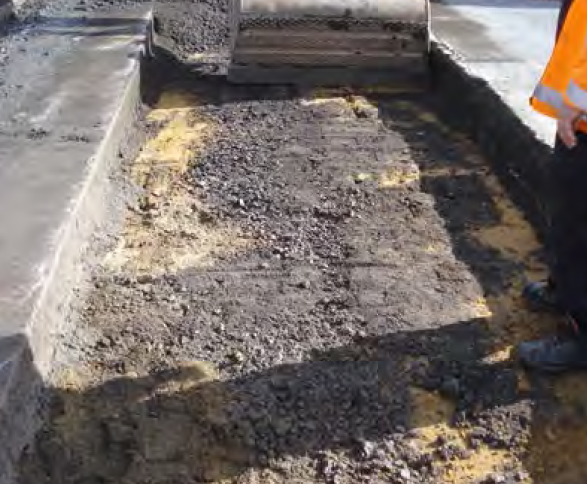
This case study describes how Porirua City Council used UltraMender as an early intervention treatment and delivered significant benefits to their maintenance programme by stopping the problem before a costly dig out was required.
INTRODUCTION
By October 2019 Porirua City Council had already reactively raised 43 pavement dig outs in their Central Business District (CBD). It highlighted a trend on its network where a growing number of reactive dig outs were being dispatched each year. This number was increasing faster than the rate that they could be completed. This was partly due to the historically weak pavements found in the Porirua CBD.
The crew in Porirua were able to complete 65-75 dig outs per year. This meant that two thirds of the maintenance crew’s time was being spent completing reactive dig outs rather than on proactive maintenance work. It indicated that the network was deteriorating faster than it could be fixed using conventional treatment options. A solution was needed that:
- Stopped the deterioration of priority 3 to 4 pavement dig outs so they could be deferred or prevented completely,
- Was significantly cheaper and less disruptive than a dig out repair, and
- Could be delivered as an early intervention treatment
Road Science’s UltraMender was proposed as an alternative maintenance material to provide this solution.
THE PROGRAMME
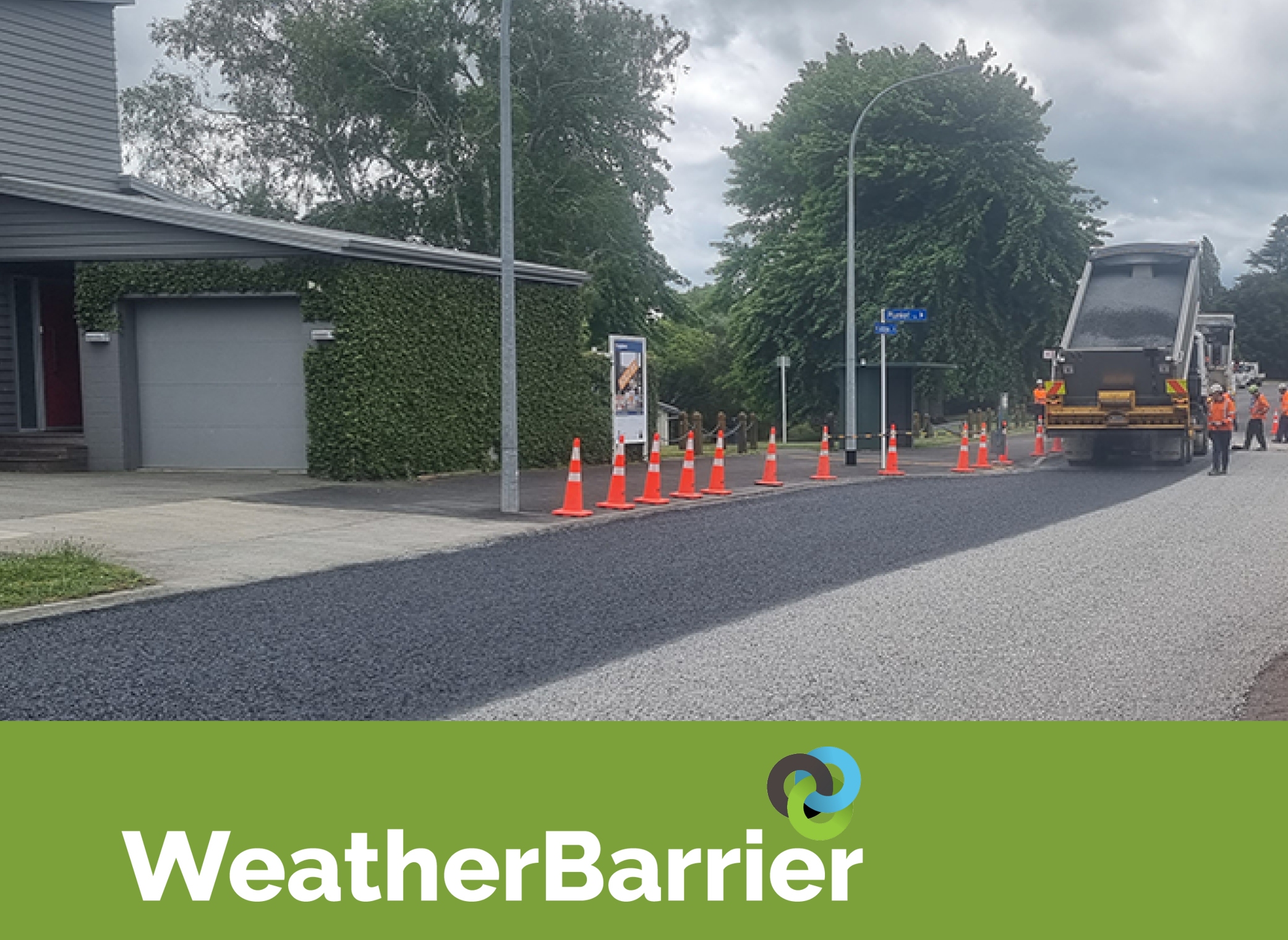
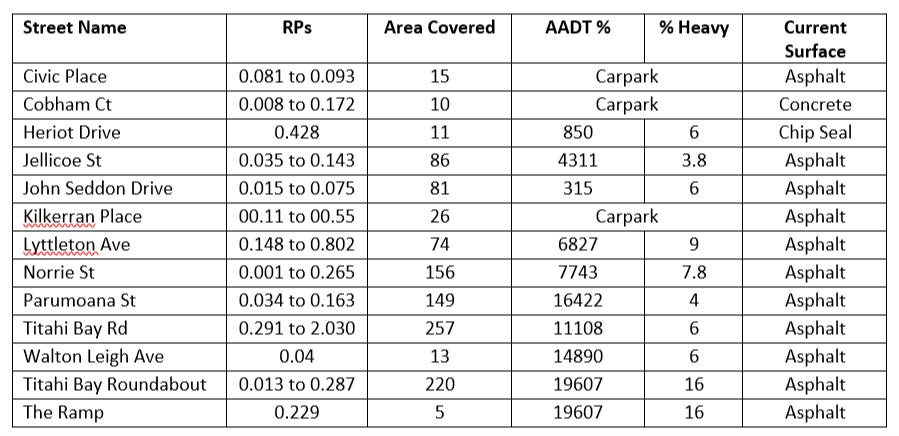
An UltraMender programme was developed to repair the 43 dispatch priority 3 and 4 dig out sites in ten days. These sites all required crack sealing. Traffic volumes varied from carparks to >17000AADT. A summary of the programme can be seen below. Note that some roads had multiple sites which add up to a total of 43 sites;
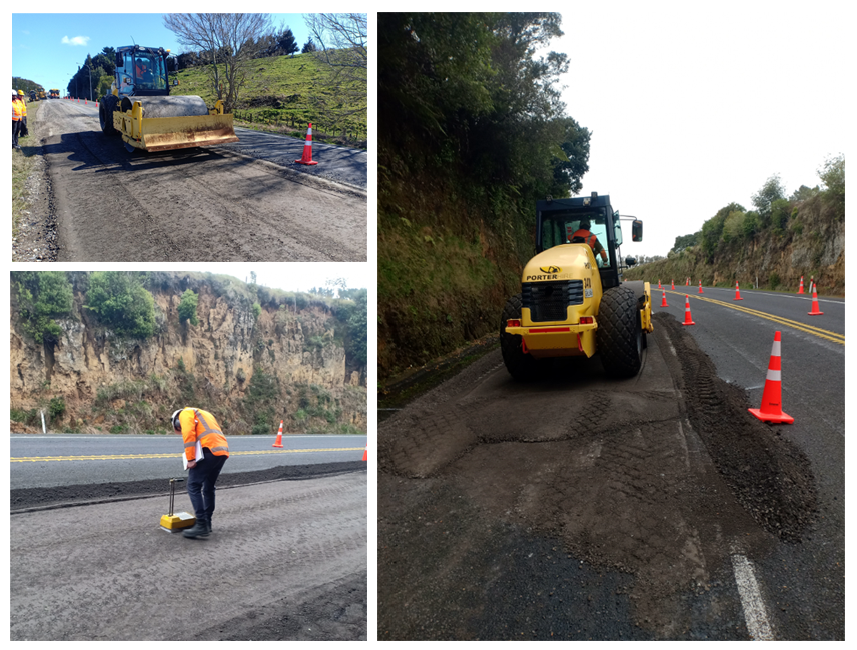
HOW TO APPLY ULTRAMENDER
RESULTS FROM PORIRUA CITY COUNCIL
One year after the programme was competed, 100% of the sites are still in service without need of any further treatment. This allowed the Downer maintenance team (who delivered this project) to defer 43 reactive dig outs and gave them a chance to work through their proactive maintenance programme without the need to complete any reactive dig outs in the CBD.
Porirua City Council wrote an internal report outlining the benefits of using UltraMender, some of the benefits listed were;
- Reported potholes reduced from 108 to only 30 for the period 1 November 2019 to 31 January 2020 at the same time last year
- During December 2019 Porirua suffered a severe storm causing major damage. During the following months the maintenance contractor (Downer) were preoccupied with the repair of the damage to the network. Because most areas in CBD were treated as part of the trial, we could focus all resources on storm repairs
- They now have the opportunity to assess these failures and consider most suitable treatment for future maintenance
- They managed to treat approximately 1000m² in 10 days (including “labour” pains), as this was all done in the CBD it is reasonable to estimate that to complete the same volume of conventional patching would have taken more than 40 days
- Only treated the cracks and not normal square finish of a typical patch. Thus, only treating 60% of the equivalent area
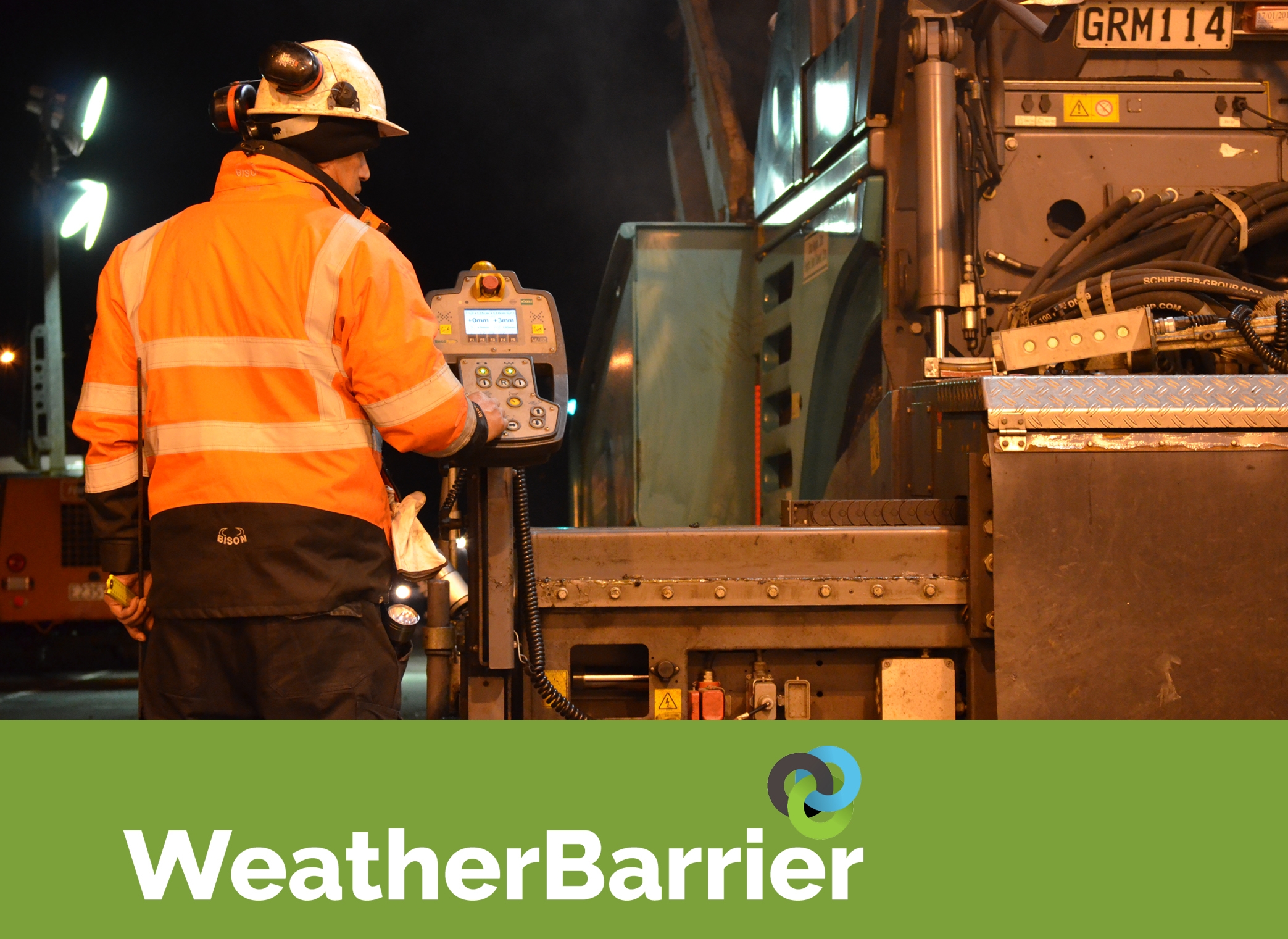
- Apart from the first day, all work was completed during the night
- No noise issues
- Apart from aesthetics, relatively low impact on public.
COST SAVINGS
The UltraMender treatment proved to be roughly 1/3rd of the cost per square meter compared to a dig out. This correlates to a significant cost saving to the maintenance team and the council and has allowed extra resource to be allocated to more proactive maintenance.
CONCLUSIONS
- Porirua City Council had a problem with increasing numbers of dig outs being dispatched each year in the CBD
- An alternative treatment option was required to stop the deterioration of priority 3 to 4 pavement dig outs so they could be deferred or prevented completely and be significantly cheaper and less disruptive than a dig out repair
- UltraMender was used to treat 43 dispatch priority 3 and 4 sites in November 2019
- 100% of those sites are still in service
- All 43 dig outs have been deferred which has resulted in more proactive maintenance being completed
- Reported potholes reduced from 108 to only 30 for the period 1 November 2019 to 31 January 2020 at the same time the year prior
- The UltraMender treatment was roughly 1/3rd of the cost of a dig out which indicates that UltraMender is providing a huge cost benefit to the network.