Road Science named finalist in the Transformational Leadership Award
The electrification of our Bluff bitumen plant project is leading sustainable change for bitumen manufacturing.

Road Science is incredibly proud to have just been named on the Next List 2026 - an annual list of innovators and entrepreneurs that are finalists in the Sustainable Business Awards, announced today by the Sustainable Business Network.
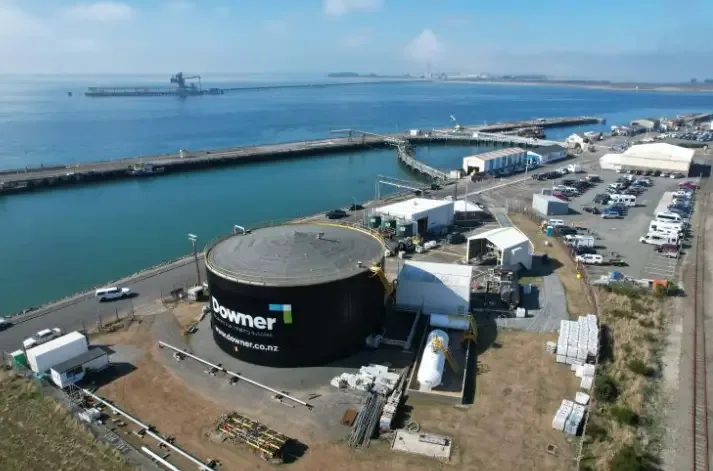
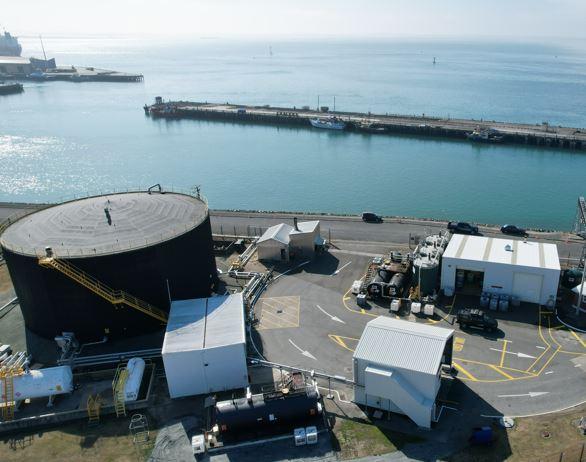
Our project that is being recognised for this award is the electrification of our Bluff bitumen plant.
Road Science has demonstrated transformational sustainability leadership by proving that one of New Zealand’s hardest-to-abate industrial processes - bitumen manufacturing - can be fully electrified under real-world conditions.
These awards throw a spotlight on who and what can make Aotearoa a global beacon of sustainable business and we’re thrilled to be recognised in this space.
Learn more about the finalists here
Winners announced 26th November.
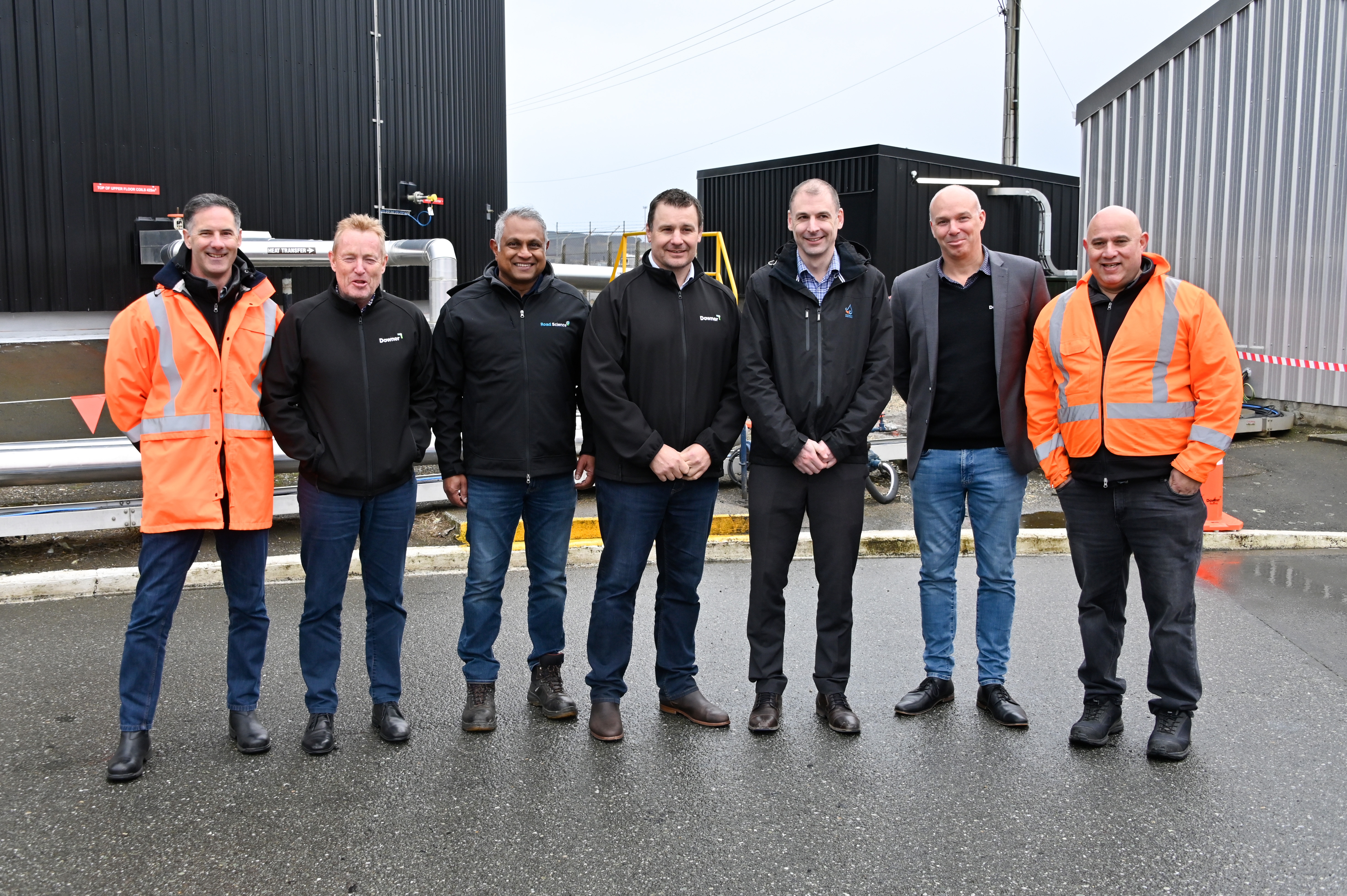
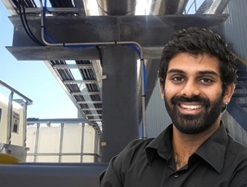
A special shout out to our sustainability champions Ross Godkin - National Manufacturing Manager, and Rob Moesman - Manufacturing Manager, with support from our partners at Energy NZ and EECA (Energy Efficiency and Conservation Authority)
Project Background:
In September 2024, Road Science reached a major milestone in our sustainability journey with the commissioning of an electric hybrid heating system at our Bluff bitumen plant - a first-of-its-kind solution designed to overcome the limitations of traditional fossil fuel heating.
Rather than relying on high-peak, on-demand heating, the system maintains bitumen at a steady 135°C using renewable electricity, reducing energy demand from 1.3 MW to just 200 kW.
Fast forward two years, and our Bluff plant can now proudly say that we are believed to be New Zealand’s first facility to fully electrify the bitumen process heating component, eliminating fossil fuel use for that function, and achieving Zero kg Scope 2 (market-based) emissions through 100% renewable electricity procurement. This transition delivers a reduction of 31.5 kg CO₂-e per tonne of product without compromising production performance.